RESILIENT AND SUSTAINABLE AGRIFOOD SYSTEMS IN A COMPETITIVE EUROPE
Join researchers, policymakers, industry representatives and other key actors for two days of discussion, new perspectives and collaboration on how Europe can accelerate the transformation of its agrifood systems while strengthening sustainability, resilience and competitiveness.
KEY TOPICS ON THE MAIN STAGE
Main-stage debates and keynote perspectives on the tensions, priorities and choices shaping Europe’s agrifood future.
Sustainability and competitiveness – what will it take to deliver both?
European agrifood systems must become more sustainable and resilient while remaining competitive. This session examines where these aims support one another, where tensions arise, and what is slowing progress.
How the EU plans to boost agrifood R&I and competitiveness
What direction is the EU taking on agrifood research and innovation? The session explores emerging priorities and what they could mean for research, industry and collaboration across the agrifood system.
Managing water and climate pressures in agrifood systems
Water scarcity, flooding and a changing climate are creating difficult choices for European food production. This session looks at how knowledge, priorities and practical decisions can be brought together under increasing uncertainty.
From regulatory barriers to enabling frameworks
Regulation must protect safety, sustainability and public trust while allowing new solutions to develop. The session explores where the current system creates barriers and what a more enabling approach could look like.
From innovation to impact: What’s holding back Europe’s agrifood transformation?
Europe produces strong research, new technologies and promising businesses, but many solutions struggle to move beyond their early stages. This session examines what stands between a good idea and wider adoption.
Inspiring stories
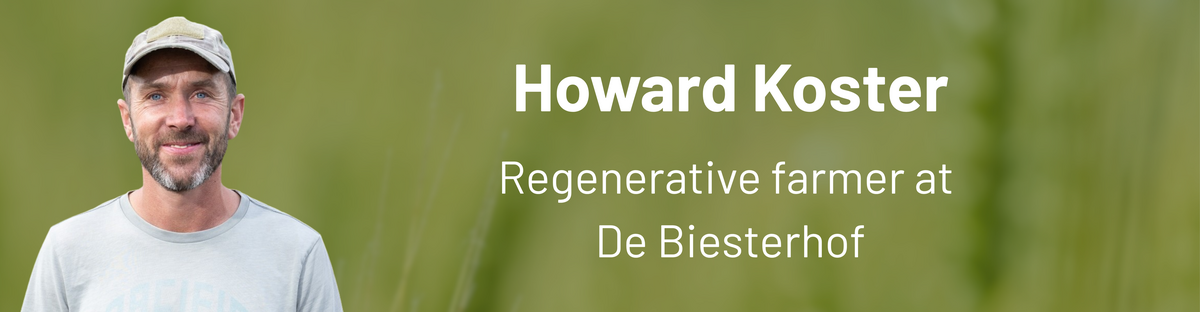
What does it take to put new approaches into practice? Through Plant2Food and De Biesterhof, this conversation explores different ways of working across research, industry and farming, including what made them possible, the challenges encountered and what others can learn from them.
Who shapes Europe’s agrifood transformation?
Who sets the direction of agrifood transformation, and whose knowledge informs the decisions? The closing keynote considers how different forms of knowledge can be brought together to shape future research, policy and practice.
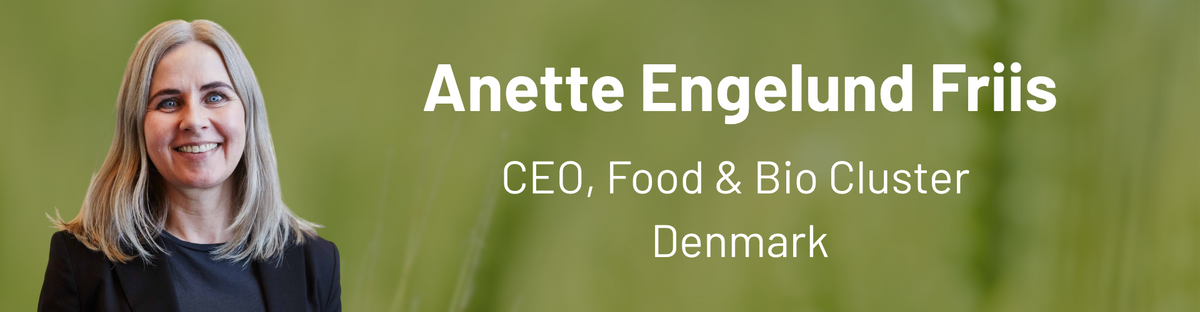
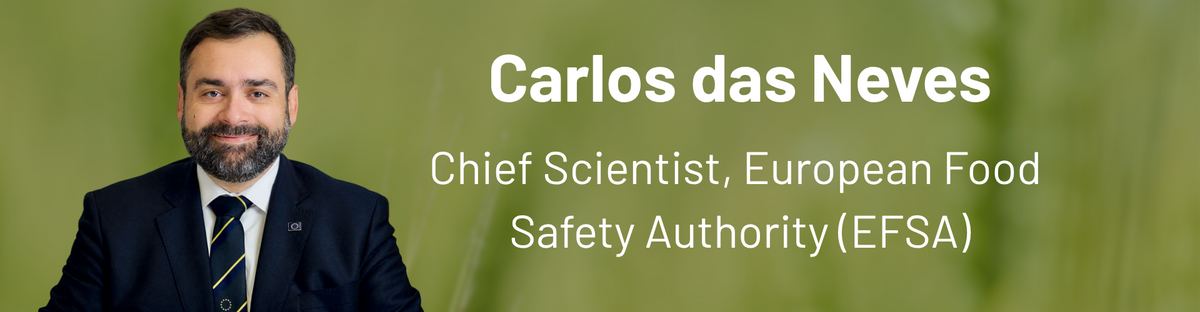
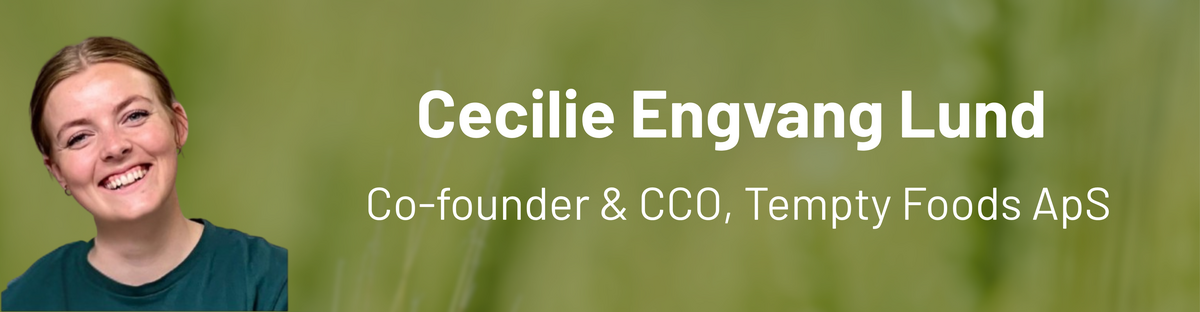
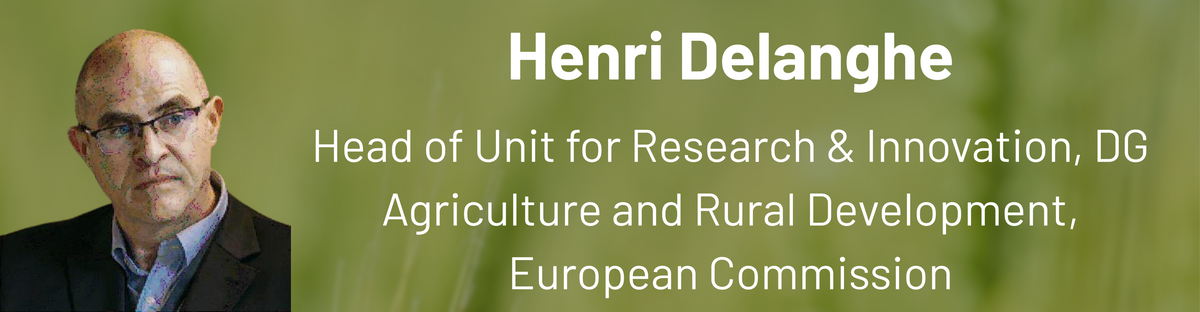
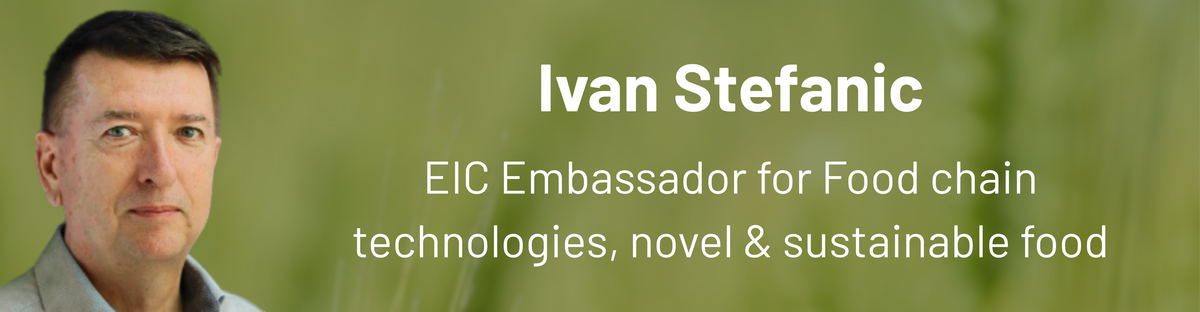
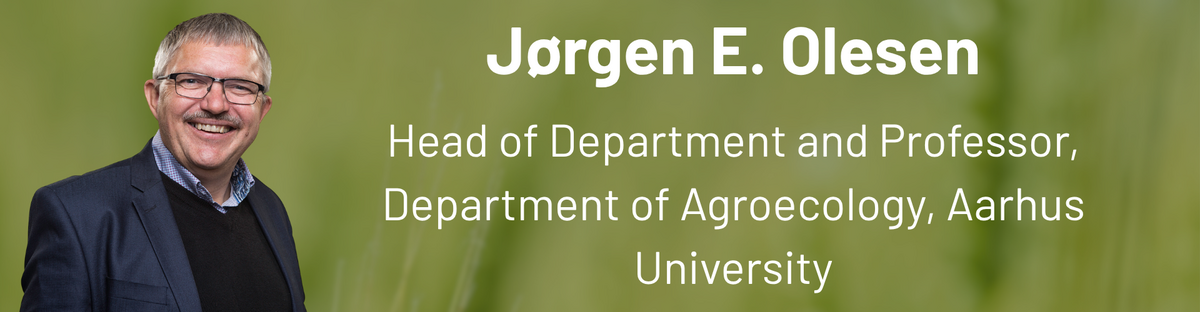
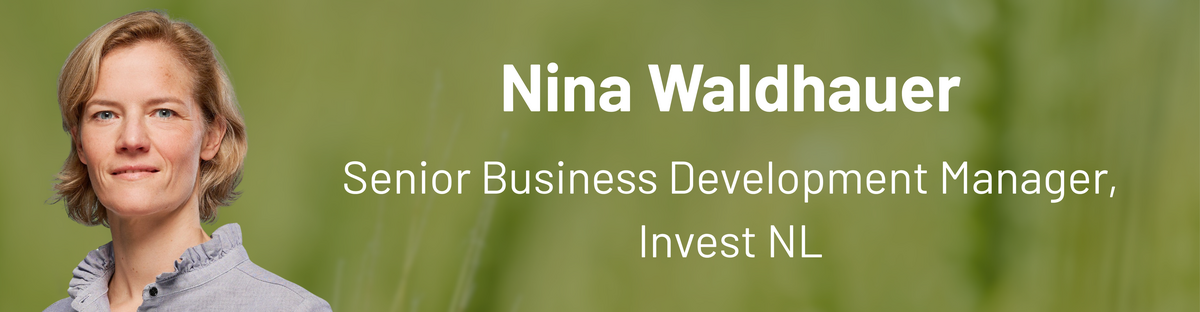
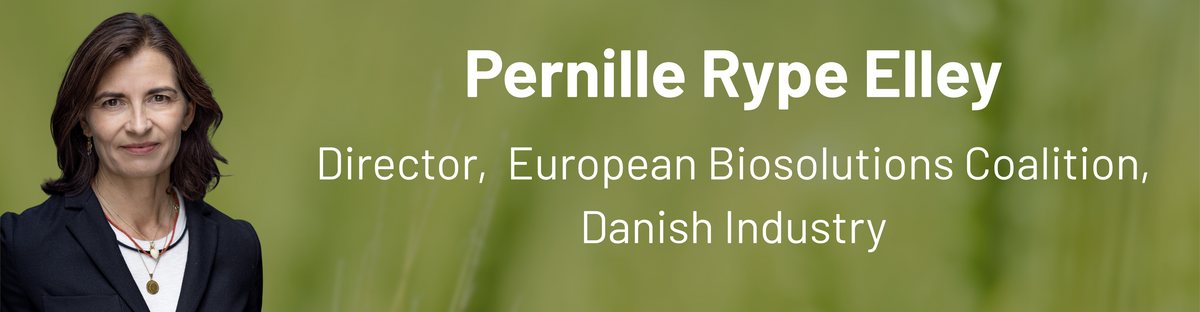
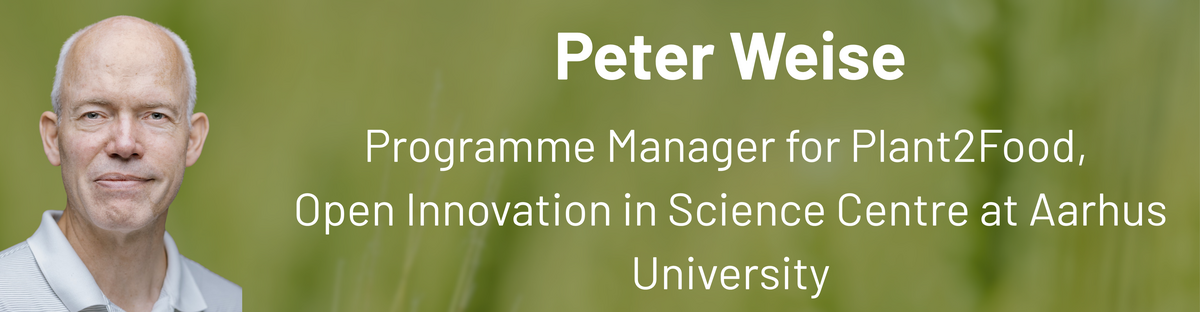
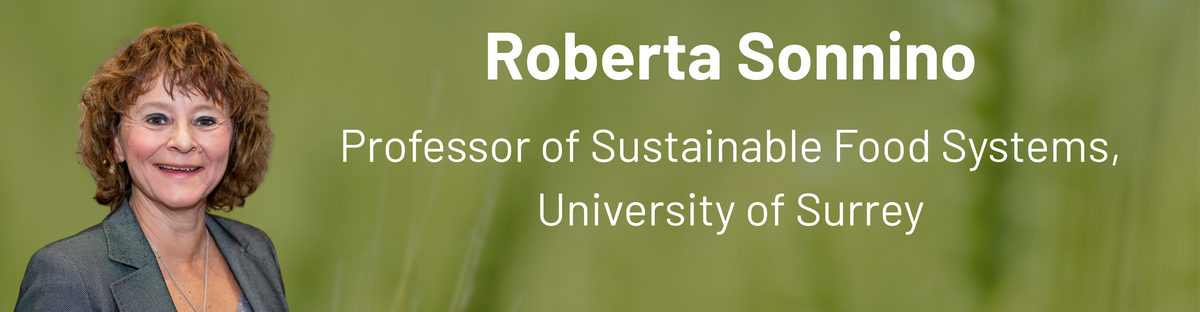
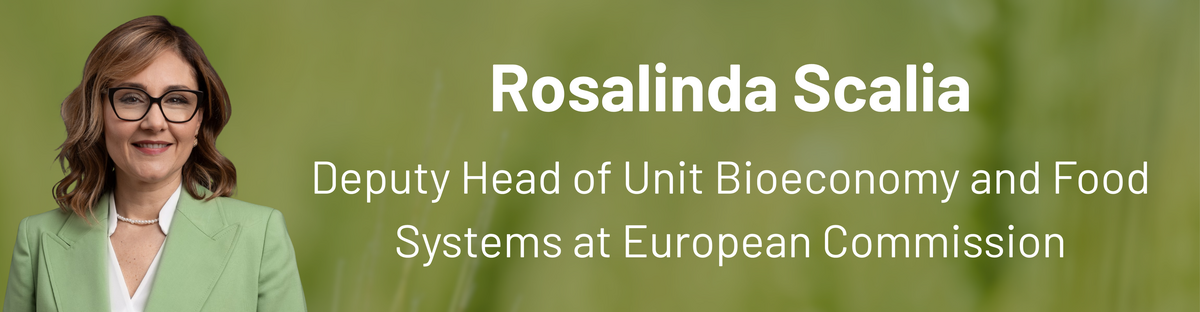
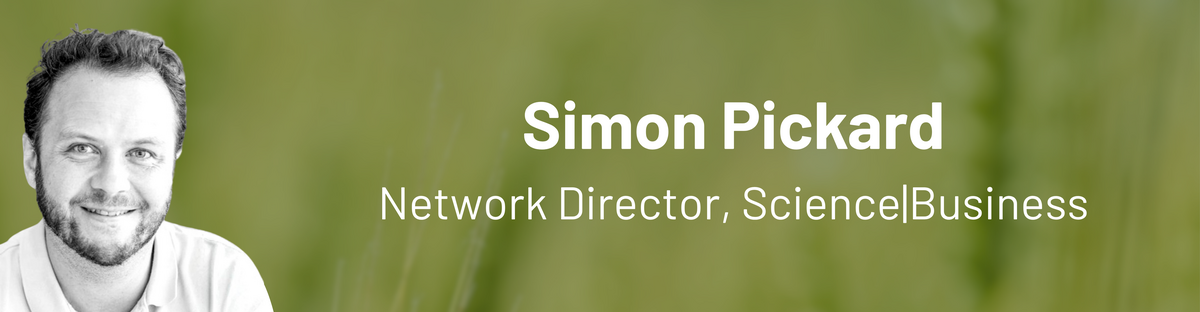
MEET THE SPEAKERS
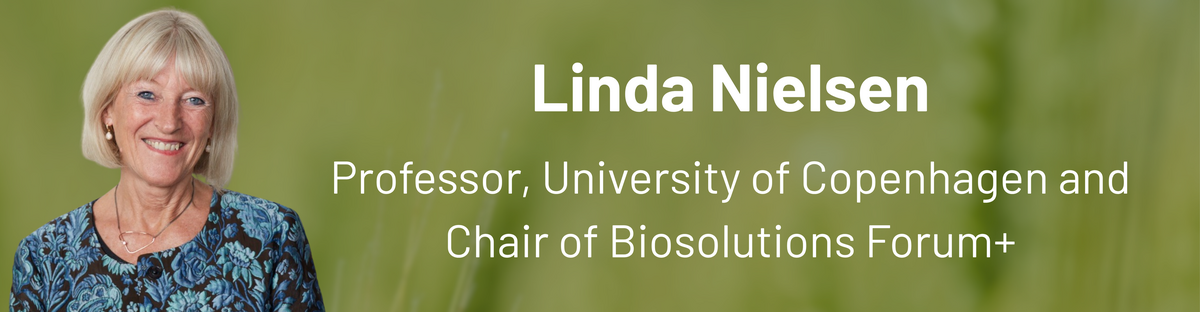
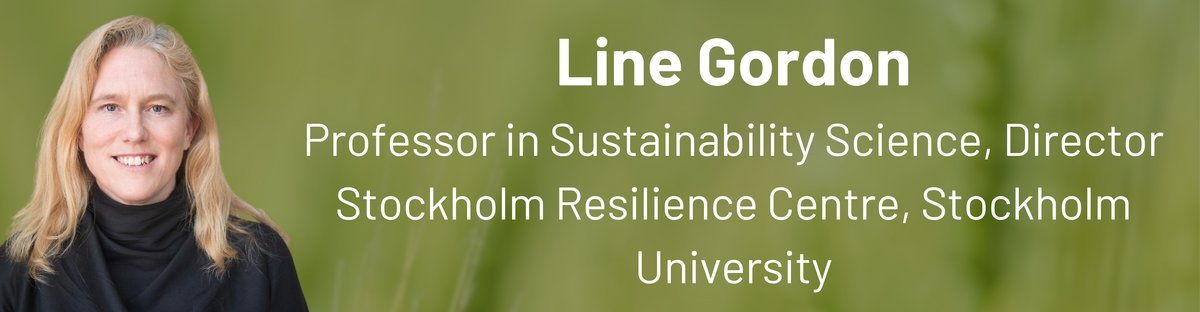
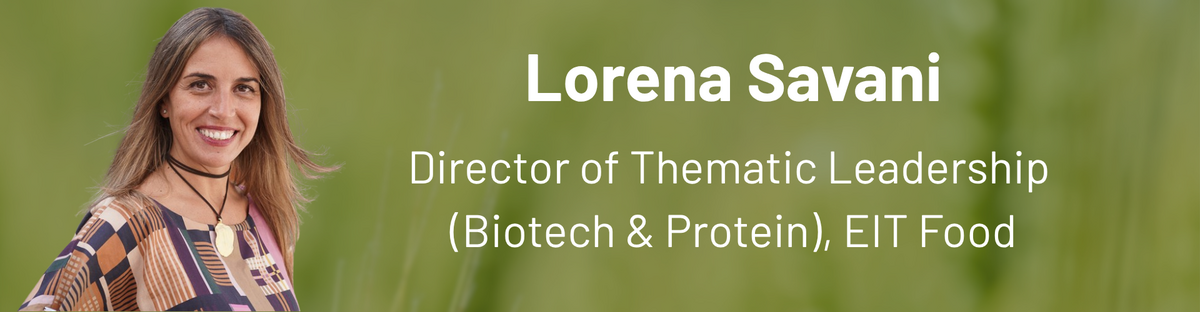
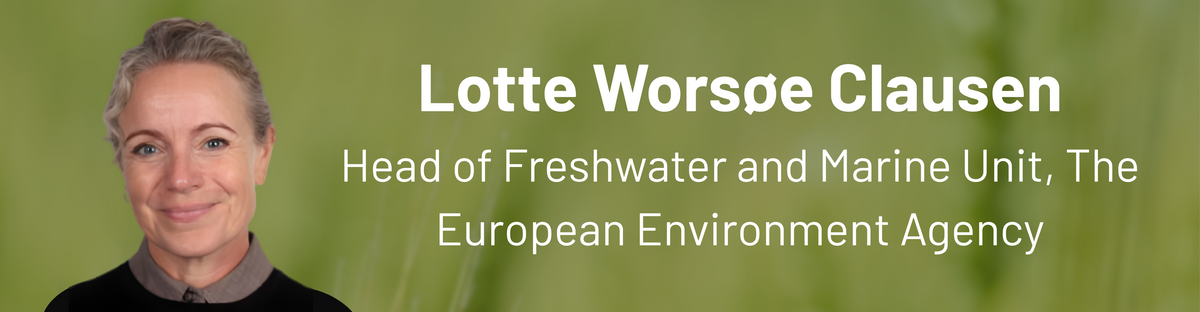
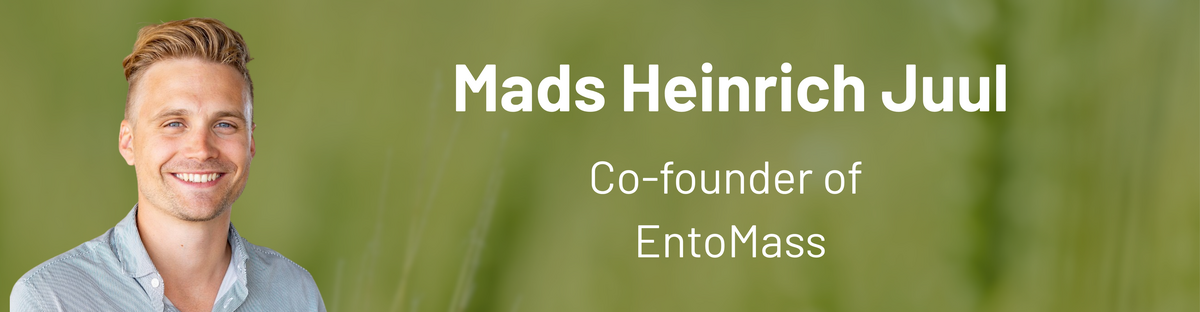
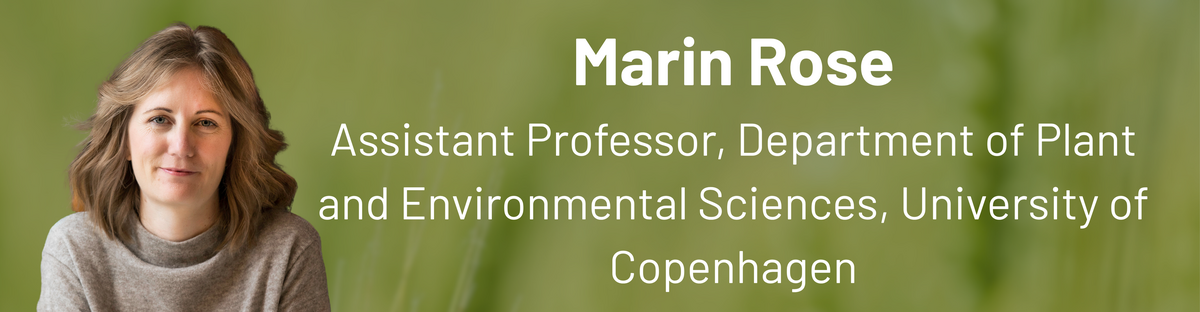
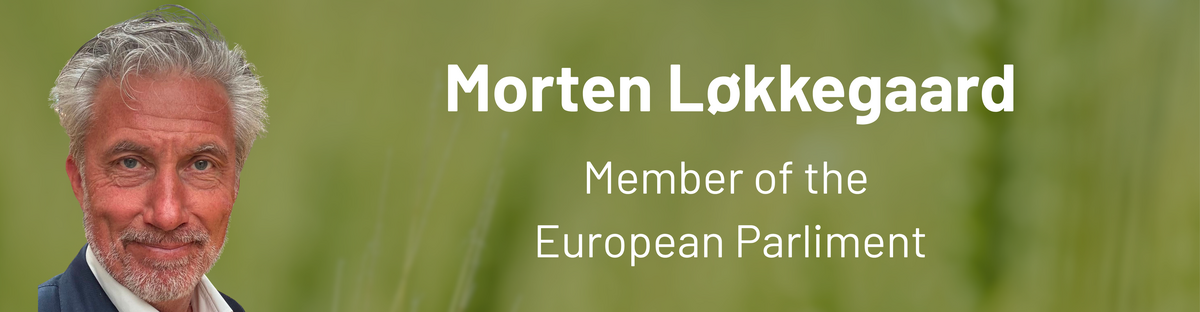
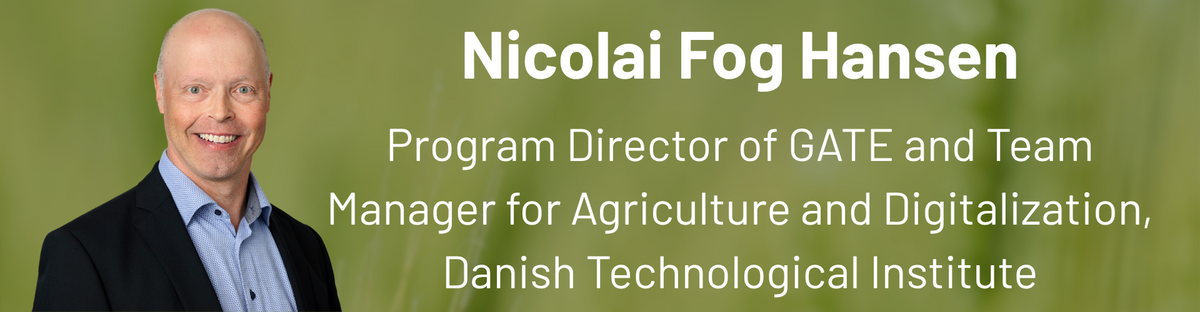
Hear perspectives from European policy, research, industry and practice.
JOIN THE PARALLEL SESSIONS
Alongside the main-stage programme, the conference offers parallel sessions where participants can explore selected topics in greater depth. The sessions bring together researchers, policymakers, industry representatives and other stakeholders to discuss current challenges and exchange perspectives across disciplines and sectors.
Parallel sessions | 28 October 2026
Europe’s Protein Plan - Building a more resilient food future
Organised by START Circularity in Nutrients Hub
Organisers:
- Søren Krogh Jensen, Professor, Department of Animal and Veterinary Science, Aarhus University
- Etienne Pilorgé, Director of International Relations, Terres Inovia
See additional information
See additional information
Description
Be part of the conversation shaping Europe's protein future. Together, we will explore oppor-tunities, barriers, and solutions that can accelerate the transition towards a more sustainable, resilient and self-sufficient protein system.
The EU Protein Plan is a strategic policy initiative aimed at strengthening Europe’s protein self-sufficiency while enhancing the sustainability and resilience of its food system. Today, the EU remains heavily dependent on imported plant proteins, particularly soy used in animal feed. This dependence creates vulnerabilities re-lated to food security and market volatility, while also contributing to environmental pressures such as defor-estation and imbalances in nutrient flows.
At the same time, Europe is accelerating the transition towards a more sustainable food system that supports healthy diets, reduces climate and environmental impacts, strengthens food security, and creates value for farmers, businesses, and consumers. As a result, interest in alternative protein sources and domestic protein production is growing rapidly.
In this context, legumes and pulses such as peas, faba beans, lupins, and chickpeas, alongside protein-rich oilseed crops, are gaining momentum across Europe. Soybean cultivation is expanding in several regions, while rapeseed and sunflower remain important sources of domestically produced protein for animal feed. Forage legumes such as alfalfa and clover, together with highly productive grasslands, also play a key role, particularly in ruminant production systems.
Despite these opportunities, important challenges remain, including agronomic limitations, market barriers, competing sustainability objectives, and changing consumer preferences.
During this track session, we will:
- Reflect on the evolution of European protein policies and the current state of Europe's protein supply
- Explore alternative scenarios for the future European agro-food system and the trade-offs between food production, consumption patterns, sustainability, and food sovereignty
- Discuss the technical opportunities and limitations for increasing protein production from European sources, alongside the role of dietary transitions in delivering both health and sustainability goals.
- Engage participants in a discussion on how Europe can build a more resilient and sustainable protein future.
Programme:
- Welcome and scene setting
By Søren Krogh Jensen and Etienne Pilorgé - Presentation 1: Europe's protein challenge and future scenarios
By Etienne Pilorgé - Presentation 2: Sustainable animal protein production in Europe
By Søren Krogh Jensen - Presentation 3: Food system transition and sustainable diets
- Group discussions
Where are the biggest opportunities?
What are the key trade-offs?
Which actions should be prioritised by policy makers, industry, and researchers? - Plenum discussion
Identifying priorities for Europe's protein transition - Key takeaways and closing remarks
Healthy diets in the green transition: aligning sustainability, health and food safety
Organised by START Health Hub
Organisers:
- Alice Grønhøj, Associate Professor, Department of Management, Aarhus University
- Christina C. Dahm, Professor, Department of Public Health, Aarhus University
- Sara Monteiro Pires, Senior Researcher, National Food Institute, Technical University of Denmark
See additional information
See additional information
Description
Dietary change is widely recognized as a key lever for reducing environmental impacts and improving public health. However, achieving healthy and sustainable diets requires balancing multiple objectives, including nutrition, affordability, cultural acceptability and food safety.
This session brings together experts to explore how dietary change can contribute to climate and sustainability targets while supporting population health and minimizing unintended risks. Through perspectives spanning nutritional epidemiology, food systems policy, and integrated assessment modelling, the session will discuss pathways for achieving healthy diets under the green transition and the evidence needed to guide decision-making.
The session aims to:
- Explore the synergies and trade-offs between health, sustainability and food safety in dietary transitions.
- Discuss how integrated evidence can support policy and food system transformation.
- Identify priorities for research and cross-sector collaboration.
- Generate actionable ideas for policymakers, researchers and food system stakeholders working towards sustainable agrifood futures.
Discussions will include:
- What dietary shifts offer the greatest co-benefits for health and the environment?
- How can food system models better inform policy decisions?
- What food safety risks may emerge in dietary and food production transitions?
- How can evidence from multiple disciplines be integrated to support coherent policy action?
Programme:
- Welcome and setting the scene by Health Hub: Alice Grønhøj, Associate Professor, Department of Management - MAPP - Research on Value Creation in the Food Sector; Christina Dahm, Professor, Department of Public Health, Århus University; Sara M. Pires, Senior scientist, Research Group for Risk-benefit, National Food Institute, Technical University of Denmark
- Daniel Ibsen, Department of Public Health, AU, and Steno Diabetes Center Aarhus: Harvesting the physical, mental and planetary health benefits of a global reference diet
- Marco Springmann, University College London and University of Oxford: Modelling pathways towards healthy and sustainable diets
- Sara M. Pires, National Food Institute, DTU: Risk-benefit assessment for sustainable dietary shifts
- Q&A
- Workshop: Trade-offs and blind spots of food policies
- Rounding off
Genetics Solutions to a Post-Pesticide Era
Organised by START Genetics Hub
Organisers:
- Mogens Sandø Lund, Centre Director, Center for Quantitative Genetics and GenomicsAarhus University
- Tom Gilbert, Professor, Globe Institute, Section for Hologenomics, University of Copenhagen
- Torben Asp, Professor, Center for Quantitative Genetics and Genomics, Aarhus University
See additional information
See additional information
Description:
Genetic Solutions to a Post-Pesticide Era will explore how advances in genetics and biotechnology can contribute to sustainable crop protection as agriculture moves away from reliance on chemical pesticides.
Relevant topics include the potential of breeding and genome editing of crops and biocontrol agents in order to enhance resistance against pathogens, pests, and environmental stressors; the use of population genomics and evolutionary principles to improve the durability of resistance.
Discussions will also consider genetic technologies targeting agricultural pests themselves, including gene drives and other population management strategies, alongside the ecological interactions, ethical, regulatory, and societal challenges associated with their deployment.
The track session aims to identify promising research directions and key knowledge gaps for developing resilient food production systems in a future with greatly reduced pesticide use.
Programme:
1. Welcome and scene setting
by Genetics Hub: Mogens Sandø Lund, Centre Director Center for Quantitative Genetics and Genomics at Aarhus University, Tom Gilbert, Center for Evolutionary Hologenomics at University of Copenhagen and Torben Asp, Center for Quantitative Genetics and Genomics at Aarhus University
2. Framing talk about the challenge: Plant protection with far fewer pesticides
by René Gislum, Associate Professor, Head of Section at Aarhus University
3. State-of-the-art lightning talks
- Talk 1: Crop resistance through NGTs
- Talk 2: Breeding for resilience by Irene Julca, Tenure Track Assistant Professor at Aarhus University
- Talk 3: Engineering insect populations for sustainable crop protection by Torsten Nygård Kristensen, Professor at Aalborg University
4. Group discussions
5. Plenum discussions
6. Key takeaways and closing remarks
From Research to Practice: Multi-Actor Perspectives on Managing the Agricultural Transition
Organised by START People and Practices Hub
Organisers:
- Jessica Aschemann-Witzel, Professor, Department of Management, Aarhus University
- Polymeros Chrysochou, Professor, Department of Management, Aarhus University
See additional information
See additional information
Description
The workshop focuses on SSH research in the green transition of agriculture. On the basis of concrete research project examples and their key insights, we move to a general discussion and reflection of the role of SSH research in changing European agriculture. Questions can include: How can we ensure both excellent, independent research and meaningful societal impact? And what role do different SSH disciplines play in this effort? How to improve cross-disciplinary collaboration between SSH and other research traditions (- technical, natural science - )?
Agenda:
- Welcome and introduction by Jessica Aschemann-Witzel
- Presentations combining different disciplinary perspectives
- “A People´s Perspective on the Green Agriculture Transition and the Green Tripartite Agreement in Denmark” – Jessica Aschemann-Witzel, Green transition index, Aarhus University
- SEAL: Mapping and Understanding Targets and Policies for a Sustainable European Agri-Food – Nina Zoe Valin and Elisa Bordin, SEAL project, University of Copenhagen
- The question of democratic engagement in green transitions – Ulrikka Skovdal, University of Southern Denmark
- An agronomists view on (need for) SSH in research and innovation for agrifood systems transition – Niels Halberg
- The workshop concludes with a 30-minute group session or plenary discussion, moderated by Lasse Søelund, Copenhagen Business School, focused on how SSH disciplines can contribute to the European green transition in agriculture
Disruptive Technologies for a Circular Blue-Green Bioeconomy
Organised by START 2GETHER Hub
Organisers:
- Marija Banovic, Associate Professor, Department of Management, Aarhus University
- Simon Bahrndorff, Associate Professor, Department of Chemistry and Bioscience, Aalborg University
See additional information
See additional information
Description
This track will provide a deep dive into the role of disruptive technologies in advancing a circular blue-green bioeconomy and, through this, contributing to resilient and sustainable agrifood systems in Europe. The session will showcase the interdisciplinary work of HUB 2GETHER and collaboration across Danish universities, with a focus on how technological innovation can be translated into systemic change. Bringing together research, policy, and industry perspectives, the track will discuss opportunities and bottlenecks linked to technologies such as precision fermentation, biotechnology-based valorisation, digital tools, and integrated blue-green solutions, with particular attention to implementation, governance, market uptake, and consumer acceptance. The ambition is to move beyond technology itself and address how such innovations can be embedded in practice to generate real sustainability impact.
As a concrete output, we would also aim to use the track as a basis for developing another joint paper from START and HUB 2GETHER, building on our previous successful publication activities in this area.
Speakers:
- Agnieszka Podolska-Charlery, PhD, Senior Scientific Officer, National Food Institute, Group for Chemical Risk Assessment and GMO, Technical University of Denmark
- Goutam Sahana, Professor at Center for Quantitative Genetics and Genomics, Aarhus University
- Giuliano Marcelo Dragone, Associate Professor, Department of Food Science, University of Copenhagen
- Klaus G. Grunert, Professor, MAPP Centre, Department of Management, Aarhus University
- Lars Holm, Senior Science Lead, Novonesis
- Marlene Boiesen, Commercial Lead, Health & Nutrition, Novonesis
- Panos G. Kalatzis, Assistant Professor, Center for Evolutionary Hologenomics, University of Copenhagen
Programme
| 14:00-14:05 | Welcome and session framing Speakers: |
| 14:05–14:20 | From Measuring to Designing: Integrating Multi-omics, Phenomics and NGTs for Sustainable Livestock Systems Speaker:
|
| 14:20–14:35 | Viruses That Help: Turning Phage Innovation into Sustainability Impact Speaker:
|
| 14:35–14:50 | Solid-State Fermentation and the Challenge of Scaling Circular Bioprocesses (provisional title) Speaker:
|
| 14:50–15:05 | Disruptive Dietary Proteins: From Biotechnology to Market Speaker:
|
| 15:05–15:20 | Cultivated Meat and Precision Fermentation: What Drives Consumer Acceptance and Trust? Insights from the EIT Food Consumer Observatory Speaker:
|
| 15:20–15:35 | Beyond Food Innovation: Navigating Regulation and Risk Assessment in Disruptive Food Technologies Speaker:
|
| 15:35–15:50 | Moderated panel discussion and audience Q&A Speakers:
|
| 15:50–15:55 | Wrap-up and key takeaways Speakers:
|
Educational approaches to sustainable transition, food and knowledge
Organised by Danish School of Education
Organisers:
- Jonas Lysgaard, Associate Professor, Danish School of Education, Aarhus University
- Rune Müller Kristensen, Associate Professor, Danish School of Education, Aarhus University
- Malou Juelskjær, Associate Professor, Danish School of Education, Aarhus University
- Ditte Alexandra Winther-Lindqvist, Professor, Danish School of Education, Aarhus University
See additional information
See additional information
Description
This session will frame different approaches to understanding how knowledge and transitions in agri-food systems and beyond are part of complex processes of learning, knowledge and sensing in formal and non-formal education. The key ambition is to showcase the importance of navigating the complex and contextual aspects of learning when pushing for transformational processes.
Three presentations by educational researchers from the Danish School of Education, Aarhus University, will frame the discussion of the session
Rune Müller Kristensen and Jacob Højgaard Christensen, both associate professors of educational sociology, will present insights from the international study Trends in International Mathematics and Science Study (TIMSS), focusing on how young people’s knowledge of environmental and sustainability-related issues can be understood and measured through education, and how Danish students compare with students in other countries. Building on the methodological logic used to develop measures of environmental knowledge, the presentation explores how educational research can contribute to conceptualising and assessing students’ knowledge about food, health and sustainable food systems.
Jonas Andreasen Lysgaard, associate professor of environmental and sustainability education, will situate key barriers and potentials when dealing with sustainability and transformation from a pedagogical and didactic perspective. A key characteristic of education is the often strained relationship between knowledge, action and transformation. The relationship is neither causal nor constant, but always changing and dependent on context, culture and the individuals involved. Nordic approaches to critical participatory learning processes have for decades been a way of ensuring that young people and future generations can be part of and navigate societal and individual transformation processes.
Malou Juelskjær is associate professor in social psychology. Among other things currently researching multi generational climate- and ecoanxiety https://projekter.au.dk/omsorg-mellem-generationer-og-arter . Malou will explore questions like: What it may mean that there are limits to knowing what you eat, and eating what you know? How are citizen’s relation with agribusiness precarious and vulnerable – and how may climate- and ecoanxiety be an entangled part hereof? What may citizens’ care for and with soils and plants at a former agricultural plot teach us about our current state of relations. How may sustainable food transition play constructive a part?
Investing into Food System Innovation – The Role of Living Labs Between Research to Market Deployment
Organisers:
- Thom Achterbosch, Wageningen Social & Economic Research
- Dirk Wascher, SUSMETRO
See additional information
See additional information
Description
Within the context of the European Commission's "innovation to investment journey – from research to market deployment," Living Labs in the agri-food sector act as critical intermediaries. They take raw academic research (TRL 3-4) and mature it into market-ready or society-ready, investable solutions (TRL 7-8). From the viewpoint of food systems change, this linear view on innovation for impact should be broadened. In this session, recent research outcomes are presented from CLEVERFOOD and FutureFoodS on how living labs contribute to systems change and become a force of transformative governance in the food system by generating societal and public value. A select number of Living Labs present their experiences on how they navigate, within their ecosystem, the enablers and barriers on the journey of research to innovation to investment and impact in interaction with the panelists, participants can reflect on the lessons from these cases for their own journeys.
Biosolutions: Promise, Challenges and Real-World Perspectives
Organisers:
- Pedro Martinez Noguera, Postdoc, Department of Food at University of Copenhagen
- Samir Hobloss, Postdoc, National Food Institute at the Technical University of Denmark
- Emma Elise Hoch-Schneider, Postdoc, Department of Biotechnology and Biomedicine at the Technical University of Denmark
See additional information
See additional information
Description
Biosolutions are often presented as a key pathway towards more sustainable and resilient agrifood systems. Yet while biological innovations have contributed to society for more than a century, from fermentation and enzymes to modern biotechnology, the current wave of biosolutions is expanding into entirely new sectors and applications.
This session explores what biosolutions mean today, why they are attracting growing attention, and what is needed to unlock their potential. Bringing together researchers, innovation leaders, companies and startups from Europe and beyond, the session will examine how biosolutions can contribute to future food production, agriculture, resource efficiency and industrial transformation.
Through case studies and interactive discussions, participants will gain insights into both the opportunities and the obstacles facing the field, including scaling, regulation, investment, adoption and public trust. The session will move beyond technology promises to explore the practical realities of developing and implementing biosolutions in a rapidly changing world.
Together, speakers and participants will discuss how biosolutions can support not only sustainability objectives, but also resilience and competitiveness across agrifood systems.
Programme:
Introduction
- What are biosolutions and why are they receiving renewed attention?
Research perspectives
- Danish perspectives on biosolutions and their role in future agrifood systems
- International perspectives from California's biosolutions ecosystem
Industry and startup perspectives
- Experiences from established biosolutions companies
- Insights from emerging agritech, foodtech and biotech startups
- Opportunities and barriers to scaling biosolutions
Interactive panel discussion
- Key challenges and opportunities for biosolutions
- From sustainability to resilience: what changes?
- Perspectives from policymakers, researchers, industry and end users
- Identifying actions to accelerate adoption and impact
Parallel sessions | 29 October 2026
Turning Alternative Protein Research into Reality
Organised by DTU Alt Protein Project
Organisers:
- Souzanna Vrellou, Project Leader at DTU Alt Protein Project, Technical University of Denmark
- Kacper Szewranski, President of DTU Alt Protein Project, Technical University of Denmark
- Timothy John Hobley, Associate Professor & Head of Education at DTU National Food Institute
- Ismaël Bawah, Science and Technology Community Coordinator at GFI Europe
See additional information
See additional information
Description
This session will explore how the next generation of alternative proteins is being developed: food products that go beyond environmental sustainability to be flavorful, nutritious, functional, and affordable.
Speakers from Denmark, Finland, Belgium and the Netherlands will examine the drivers of progress across the field. When does industry need academia most? What does it take to build a cultivated meat farm? How do you develop, produce, and sell food products that have never existed before? And why is culinary science essential to advancing food research? The session will also include a Danish start-up’s perspective on what happens after a prototype works: the challenge of scaling a business while aligning science, production, funding and market demand.
Through case studies from across the ecosystem, the session will highlight both the opportunities and the obstacles on Europe's path towards a wide adoption of plant-based, fermentation-derived and cultivated meat products.
Programme:
10:10 – 10:15
Welcome and scene-setting by Kacper Szewranski, President of DTU Alt Protein Project, Technical University of Denmark
10:15 – 10:35
Talk 1: Accelerating dietary change through multidisciplinary innovation. By Kim Wejendorp, Head Research & Development Chef, DTU BRIGHT
10:35 – 10:55
Talk 2: Technical pathways to unlock cost, scale, and sensory parity for alternative proteins. By Ismaël Bawah, Science & Technology Community Coordinator, The Good Food Institute Europe
10:55 – 11:15
Talk 3: From research excellence to industrial impact: Scaling alternative proteins in Europe. By Nesli Sözer, Professor in Smart & Sustainable Food Production at VTT Technical Research Centre of Finland
11:15 – 11:35
Talk 4: Growing together: How to build an ecosystem for Cellular Agriculture. By Maresa Oosterman, Chair of the Board of Cellular Agriculture Netherlands
11:35 – 11:55
Talk 5: Tempty Foods - using consumer driven innovation to scale in the Nordics. By Cecilie Engvang Lund, Co-founder & CCO, Tempty Foods
11:55 – 12:00
Key Takeaways and Closing Remarks
When do Policy Targets Drive Real Transformation of the Agri-Food System?
Organised by Science-based policies for a sustainable European agri-food and land use system Project (SEAL)
Organisers:
- Teis Hansen, Professor, SEAL, University of Copenhagen
- Henrik Larsen, European Environment Agency
See additional information
See additional information
The SEAL project (Science-based policies for a sustainable European agri-food and land use system):
SEAL connects policy, technology, and real-world change. The project examines how European policies drive the adoption of sustainable solutions and maps the most promising pathways towards climate-smart, nature-positive food systems.
Description:
The transition of Europe's agri-food systems depends not only on setting targets, but on setting the right targets. Yet what makes a target truly ambitious? And under what conditions do policy targets lead to meaningful change?
This interactive workshop explores one of the most important questions facing the green transition: how can ambition be defined and translated into successful transformation?
Drawing on new research from the SEAL project, participants will be introduced to emerging evidence on agricultural and environmental target-setting, including analyses of nitrogen regulation, water governance, and policy implementation across Europe. Together, we will examine how different forms of ambition interact with political realities, institutional capacities and sectoral conditions.
The workshop is designed as a highly participatory session where participants can challenge findings, share experiences and help identify the factors that make policy targets effective drivers of change.
Participants will gain:
- Access to cutting-edge research on policy ambition and agri-food transitions.
- New perspectives on how ambitious targets can be assessed and compared.
- Insights into why some targets result in real-world transformation while others fall short.
- The opportunity to exchange experiences with experts and peers across sectors.
- A chance to contribute directly to the future research agenda of the SEAL project.
Whether you work with policy, research, business strategy, advocacy or implementation, this workshop offers a unique opportunity to reflect on how ambition can be translated into impactful action for a sustainable agri-food future.
The Connected Agri-Food System: A Holistic View of Digital Transformation
Organised by START DIGITAL hub
Organisers:
- Claus Aage Grøn Sørensen, Professor, Department of Electrical and Computer Engineering, Aarhus University
- Jonas Valbjørn Andersen, Associate Professor, Department of Management, Aarhus University
See additional information
See additional information
Description
Digital transformation is reshaping the agri-food sector. This session explores how data, AI, IoT, digital twins and connected platforms can integrate the entire value chain, enabling smarter decisions, increased sustaina-bility and new business opportunities. Through inspiring cases and expert insights, we take a holistic view of the connected agri-food system and discuss what it takes to turn digital potential into real-world impact.
Key focus will include how data, AI, and digital platforms create connection from agriculture to consumer and supports decisions across the value chain. Also, this will map out how companies, farmers, technology provid-ers and authorities may cooperate as way to create value and sustainability. Digitalization is transforming from focus on single technology advancement and input efficiency impact to also consider its aggregate environ-mental effects.
In terms of specific technologies, the session will explore practical experiences with digital twins, AI, and real-time data as key drives for future food systems and smart supply chains. Here, an important topic is the barri-ers, prospects, and concrete cases for the implementation of digital solutions in the whole agri-food sector.
The track session aims to put focus on and identify research directions and knowledge gaps in the evaluation of the real impacts of digitalization as a key driver of overall sustainability.
Programme:
- Welcome and scene setting
by Claus Grøn Sørensen, Aarhus University & Jonas Valbjørn Andersen, Aarhus University - Inspiring talks:
The frontier of digitalization in the agri-food system
Digitalization and the uptake in praxis - Plenum discussions
- Key takeaways and closing remarks
Collaboration in Interdisciplinary Agrifoods Research: Integrating Diverse Fields
Organised by START Collaborative Landscapes Hub
Organisers:
- Antoinette Fage-Butler, Associate Professor, School of Communication and Culture - English Business Communication, Aarhus University
- Heather Swanson, Professor, School of Culture and Society, Department of Anthropology, Aarhus University
See additional information
See additional information
Description:
Looking to lift your next interdisciplinary project or grant application to the next level? As funding calls place more emphasis on substantial interdisciplinary integration and greater inclusion of the social sciences and humanities, this workshop offers practical techniques for how you can meet these challenges in meaningful ways. Focusing on project design and early phase collaborative work, this workshop will help you get your team and your research questions on a strong path. Alongside skills and tips applicable to all contexts, the session will feature a brief intro to how to best activate the capacities of the humanities and qualitative social sciences in interdisciplinary and cross-sector projects.
Programme:
10:00-10:10 Intro to session by Antoinette Fage-Butler, Associate Professor, English and Business Communication, Aarhus University and Heather Swanson, Professor, Anthropology, Aarhus University
10:10-10:30 Expert talk: “Making Interdisciplinary Research Meaningful: Finding the Gaps and Working Together" by Christine Parsons, Aarhus University, Head of the Interacting Minds Centre, and Professor, with appointments at both AU School of Culture and Society and Clinical Medicine
10:30-10:45 Q&A with Christine Parsons
10:45-12:00 Workshop: “Mobilising the Capacities of the Humanities and Qualitative Social Sciences in Agrifoods Research". Led by Daniel Kardyb, Researcher with the Initiative for Sustainable Interdisciplinarity, Danish School of Education (DPU), Aarhus University. Including participation from Heather Swanson and Antoinette Fage-Butler.
From Problem to Solutions: Addressing Societal Challenges
Organised by START Circularity in Nutrients Hub
Organisers:
- Kasper Reitzel, Professor, Department of Biology, University of Southern Denmark
- Morten Lykkegaard Christensen, Associate Professor, Head of Section, Department of Chemistry and Bioscience, Aalborg University
See additional information
See additional information
Description
How can we ensure food security while protecting the environment? How can we promote interdisciplinary research and bring together expertise from across disciplines, industry and society to develop solutions that secure sustainable food production without compromising the environment?
Meeting these challenges requires a shift from narrowly focused research towards a holistic understanding of interconnected societal systems, including environmental, agricultural, waste management, and socioeconomic systems. To address these complex issues, future research should not only foster interdisciplinary collaboration but also co-create new knowledge with relevant stakeholders to ensure the development of actionable and viable solutions. This integrated approach is essential for achieving both productive agriculture and healthy ecosystems.
The track will feature presentations showcasing phosphorus and nitrogen challenges, as well as discussions on future priorities and next steps for the Circularity of Nutrients Hub.
Agricultural Robotics for Food Production: From Research to Field Practice
Organised by START Bioland Hub
Organisers
- Ulrik Pagh Schultz, Professor, Head of Center, SDU Climate Cluster, University of Southern Denmark
- Sevasti Chatzopoulou, Roskilde University
- Stine Kramer Jacobsen, Associate Professor, Department of Social Sciences and Business, University of Copenhagen
- Redmond R. Shamshiri, Assistant Professor, The Maersk Mc-Kinney Moller Institute, University of Southern Denmark
See additional information
See additional information
Description
How can agricultural robots move from promising prototypes to practical tools for resilient, sustainable and competitive food production?
This track brings together researchers, farmers, technology developers and policymakers to explore how robots can perform essential agricultural tasks and enable more diverse cropping systems. Examples will include robotics for intercropping, precision weeding, crop monitoring and targeted interventions, connecting advances in sensing and autonomous operation with practical agronomic needs.
Discussion will examine what determines successful deployment: reliability under changing field conditions, safe operation, affordability, farmer acceptance and measurable environmental benefits. Particular attention will be given to how robotics can support reduced chemical inputs and diversified production while remaining economically viable for farmers. Short contributions from research, industry and policy will frame interactive discussions around three questions: Which farming challenges should robotics prioritise? What technical, economic and regulatory barriers prevent routine adoption? How can research partnerships, policy instruments and public investment support responsible deployment?
The session aims to identify shared research priorities, actionable recommendations for policymakers and opportunities for collaboration among universities, industry, farmers and public authorities. These outcomes will inform future START Hub activities and help align robotics development with policy and practice for sustainable European agrifood systems.
Preparing for the Next Disruption: Building Resilient Rural Communities for Resilient Agrifood Systems
Organised by Wageningen University & Research
Organisers:
- Bart de Steenhuijsen Piters, Researcher, Food System Transformation, Wageningen University & Research
- Trang Nguyen, Researcher, Food System Transformation, Wageningen University & Research
See additional information
See additional information
Description
European agrifood systems face increasingly interconnected risks, including climate extremes, biodiversity loss, animal and plant diseases, geopolitical instability, supply chain disruptions, labour shortages and cyber threats. Building resilience is not only about recovering from shocks, but also about strengthening the capacities of communities, institutions and governance systems to anticipate, adapt and transform in the face of uncertainty.
Rural communities are central to this challenge, but their role in strengthening preparedness and resilience often receives less attention than technological innovation or regulatory change.
Around the world, rural communities have developed innovative ways of responding to environmental, economic and social disruptions to secure desirable outcomes, such as food security and access to healthy foods. Although these solutions are highly context-specific, they can reveal common characteristics of how rural communities can contribute to strengthening agrifood system resilience that can inspire governance and preparedness strategies in Europe.
This interactive workshop brings together diverse groups of conference participants, which may include researchers, policymakers, farmers, businesses and civil society organisations, to explore what Europe can learn from resilient rural communities around the world. Through international examples and a collaborative scenario exercise, participants will identify the characteristics of resilient rural communities, the actors that enable resilience, and the governance actions needed to strengthen European's rural communities’ preparedness for future agrifood challenges.
The workshop will:
- bring together perspectives from conference participants, including research, policy, industry, farming and civil society to explore rural community resilience from multiple viewpoints
- connect international experience on resilient communities with European policy and practice
- identify the characteristics and indicators of resilient rural communities that support preparedness for future disruptions
- explore the roles of different actors and partnerships in strengthening rural communities’ resilience and access to food, thereby supporting agrifood resilience
- co-design governance actions that support rural communities’ resilience and access to food and resilient European agrifood systems.
PROGRAMME AT A GLANCE
Day 1 | 28 October 2026
| 09.00-10.00 | 🥐☕ Registration and refreshments |
| 09:30-09:50 | Music Meditation: A Mindful START to the Day |
| 10.00-10.15 | Welcome to Green Minds Gather 2026 Speakers:
|
| 10.15-11.10 | Session with talks and panel debate: Sustainability and Competitiveness – What Will It Take to Deliver Both? Speakers include, among others (full line-up to be announced):
|
| 11.10-12.00 | Session with talks and panel debate: How the EU Plans to Boost Agrifood R&I and Competitiveness Speakers:
|
| 12.00-14.00 | 🥗 Lunch and networking |
| 14.00-15.55 | Parallel sessions |
| 15.55-16.10 | Transit to main stage |
| 16.10-17.00 | Session with talks and panel debate: Managing Water and Climate Pressures in Agrifood Systems Speakers include, among others (full line-up to be announced):
|
| 17.00-18.00 | Transit to conference dinner |
| 18.30-21.00 | 🍽️ Conference dinner |
Day 2 | 29 October 2026
| 08.30-09.00 | 🥐☕ Arrival and refreshments |
| 8.30-08.50 | Music Meditation: A Mindful START to the Day |
| 09.00-09.05 | Welcome to day 2 Speaker:
|
| 09.05-09.55 | Session with talks and panel debate: From Regulatory Barriers to Enabling Frameworks Speakers include, among others (full line-up to be announced):
|
| 09.55-10.10 | Transit to parallel sessions |
| 10.10-12.05 | Parallel sessions |
| 12.05-14.00 | 🥗 Lunch and networking |
| 14.00-14.50 | Session with talks and panel debate: From Innovation to Impact: What’s Holding Back Europe’s Agrifood Transformation? Speakers include, among others (full line-up to be announced):
|
| 14.50-15.20 | Fireside talk: Inspiring Stories Speakers:
|
| 15.20-15.45 | Closing keynote: Who Shapes Europe's Agrifood Transformation?
|
| 15.45-16.00 | Final Thoughts Speaker: To be announced |
| 16.00-17.00 | Closing reception |
Conference moderator
TAKE PART
Poster opportunity for early-career researchers
PhD students and postdoctoral researchers in the START network can apply to present a poster at the conference, with priority given to PhD students. Selected applicants receive free conference registration, accommodation and poster printing.
To apply, please send a tentative poster title, a short abstract of no more than one page, and details of your university and department to thyrsted@food.au.dk.
Not yet a member? Join the START network here.
Application deadline: 18 September 2026.
Explore the START hubs, funding opportunities and new ideas
Visit the conference areas showcasing research and activities from the START hubs.
You can also meet funding organisations, learn about their programmes and priorities, and explore startups presenting new solutions.